Social Media Motion Graphics: Designing for Sound-Off, Speed, and Scroll
📌 Table of Contents
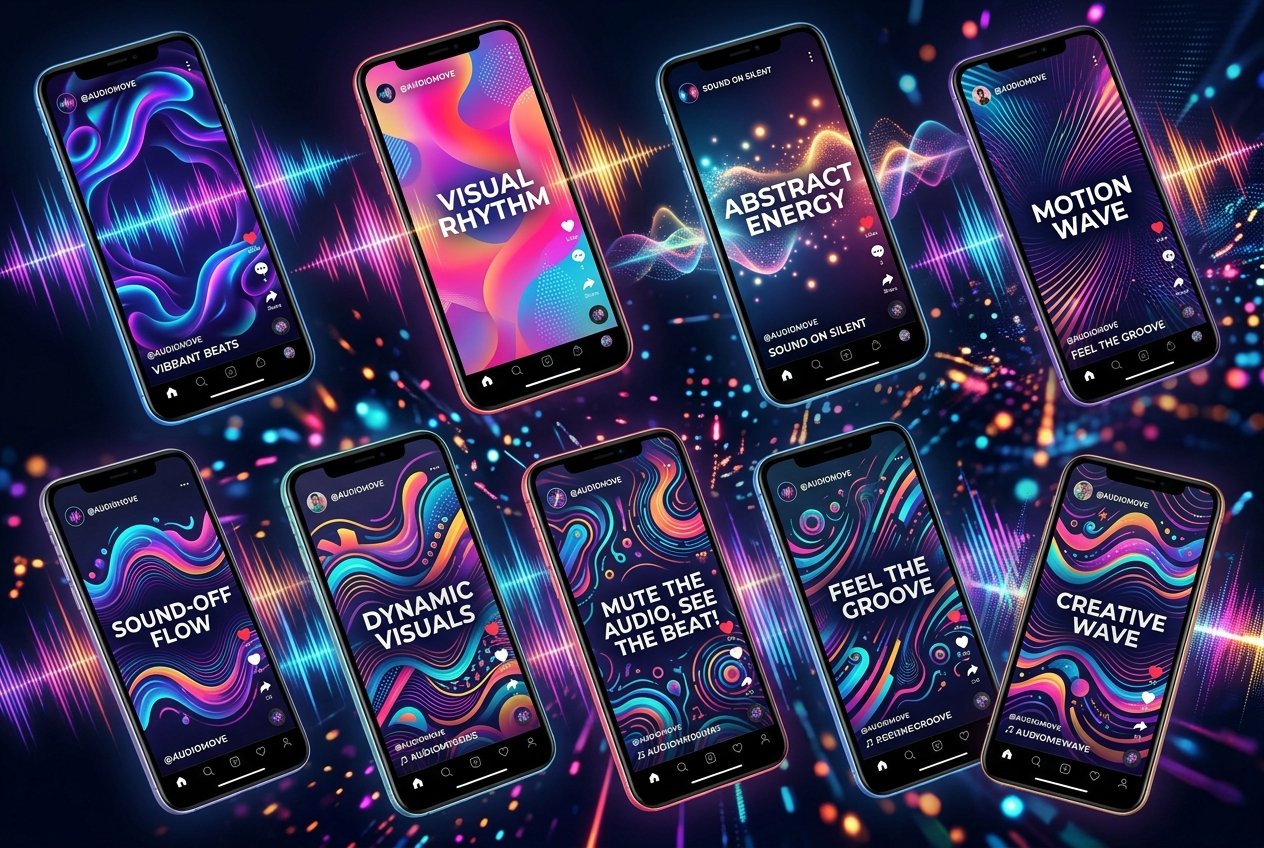
Social media motion graphics operate under constraints unlike almost any other motion design context — content is frequently watched without sound, on small vertical screens, and competing for attention against an endless scroll where a viewer decides whether to keep watching within the first second or two.
The sound-off reality
A large share of social video is watched with sound off by default, especially in feed environments like Instagram and Facebook. This has made burned-in captions and kinetic typography not a stylistic choice but a functional necessity — motion designers working in this space need to treat text as a primary communication channel, not a supplementary one, and design accordingly with clear, readable, well-timed captions synced precisely to spoken content.
Vertical format thinking
Unlike traditional 16:9 video, vertical (9:16) and square (1:1) formats require fundamentally different composition — key elements need to work within a narrower frame, and designers can't rely on the wide cinematic framing techniques used in traditional video. Many studios now design "safe zones" specifically for vertical content, accounting for platform UI elements (like buttons and captions) that overlay the bottom and top of the frame on platforms like Instagram Reels and YouTube Shorts.
The first-second hook
Because platforms' algorithms and viewer scrolling behavior both reward immediate engagement, social motion graphics are built around front-loading the most visually interesting or informative moment rather than a traditional slow build. This is a genuinely different pacing philosophy from broadcast or brand film work, where a more gradual reveal is often appropriate — social content needs its hook essentially immediately.
Volume and turnaround
Social media content operates at much higher volume and faster turnaround than most other motion graphics work — brands and creators often need multiple pieces per week rather than per quarter. This has driven adoption of template-based systems and AI-assisted tools (auto-captioning, quick background removal, rapid resizing across aspect ratios) specifically to sustain that volume without proportionally scaling team size.
Platform-specific nuance
Each major platform has slightly different best practices — Instagram and TikTok favor fast-paced, trend-aware editing; LinkedIn favors more polished, professional-toned motion graphics even in short formats. Designers working across multiple platforms for the same brand need to adapt pacing and tone per platform rather than repurposing one piece unchanged everywhere, which clients increasingly expect as a baseline skill.
Building a relevant portfolio
Students should include vertical-format work specifically, not just resized horizontal pieces, along with visible caption/kinetic type integration — since that combination (vertical thinking plus caption-first design) is exactly what social media-focused clients and agencies are hiring for.