Marvel's VFX Pipeline: What the Industry Discussion Reveals

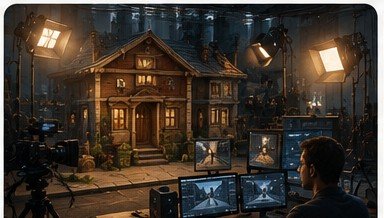
Marvel Studios' visual effects-heavy productions have become a widely discussed case study in the VFX industry — not just for the scale of the work, but for what public industry reporting has revealed about how blockbuster VFX pipelines actually operate.
The multi-vendor model. Large-scale productions like Marvel's typically split VFX work across several specialized vendor studios simultaneously, each handling different sequences or effect types. This allows massive scope to be completed within tight timelines, but has also been the subject of industry discussion around coordination challenges when many studios work on the same film in parallel.
Late-stage creative changes. Trade press and industry commentary have widely discussed how blockbuster productions frequently continue refining story and shots deep into post-production, which places significant pressure on VFX vendors to revise completed work on compressed timelines — a well-documented industry pattern, not unique to any one studio.
The crunch conversation. Public reporting and statements from VFX artists in recent years have brought wider attention to demanding schedules and working conditions across major blockbuster VFX pipelines, prompting broader industry conversations about scheduling practices, vendor compensation, and sustainable production timelines.
What this teaches about VFX careers. Working on major franchise productions offers extraordinary technical and creative experience, but understanding the realistic production pressures — tight deadlines, iterative creative direction, multi-studio coordination — matters as much as technical skill when preparing for a career at this scale.
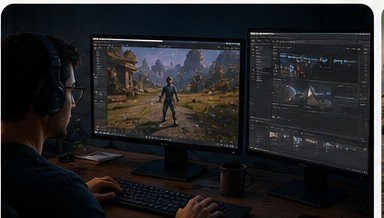
The technical takeaway for students. Multi-vendor blockbuster pipelines depend heavily on strong technical communication and adherence to shared pipeline standards — an artist's ability to work within someone else's technical framework is as valuable as raw creative skill in this environment.
Building toward this kind of work. Strong fundamentals in compositing, lighting integration, and pipeline-standard software (Nuke, Houdini) form the foundation; understanding realistic production dynamics — rather than only the glamorous final result — helps set accurate expectations for what blockbuster VFX careers actually involve.
Nuevopixels' VFX program combines hands-on technical training with real discussion of production pipeline realities, so students enter the industry with informed expectations, not just technical skill.