How Netflix Changed Animation
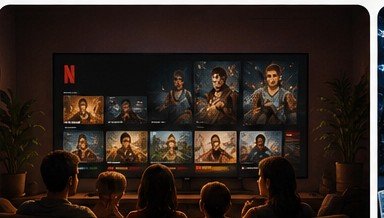
Netflix didn't just add animated shows to a streaming catalog — it fundamentally reshaped how animation gets greenlit, produced, and distributed globally, and the effects are still playing out across the industry.
Global stories, globally distributed. Before streaming's dominance, animated content largely traveled through region-specific broadcast deals, which limited how far non-Western animation styles reached international audiences. Netflix's global simultaneous release model changed that — Japanese, Korean, French, and Indian-produced animated content can now reach a worldwide audience on day one, without waiting for regional licensing deals.
A genre and format explosion. Traditional broadcast animation leaned heavily toward children's content and long-running episodic formats built around advertising breaks. Streaming's binge-friendly, ad-free model created space for animated content aimed at adults, limited series formats, and genre experimentation that broadcast television rarely funded.
More production volume, more opportunity — and more competition. Streaming's demand for constant new content has meant significantly more animation production volume globally, which has created real job growth. It's also intensified competition, as productions can now source talent and studios from anywhere in the world rather than a local production hub.
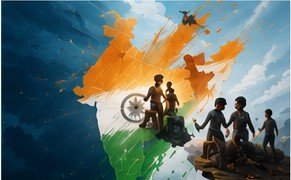
A boost for outsourcing hubs like India. Streaming's production volume has directly benefited studios in India, South Korea, and other established animation outsourcing regions, as platforms fund more content than any single region's studios can produce internally.
The pressure on production timelines. Streaming's appetite for constant content has also tightened production schedules industry-wide, a widely discussed pressure point for animation studios balancing volume against quality and crew wellbeing.
What this means for aspiring animators. The volume of animated content being produced globally right now is genuinely unprecedented — meaning more entry points into the industry than a decade ago, but also a stronger need to differentiate through skill and specialization in a larger, more competitive talent pool.
Nuevopixels' Animation program trains students for this global production reality — a market where content isn't just made for one region's broadcast slot, but for a genuinely worldwide streaming audience from day one.