Explainer Videos: Motion Graphics With a Teaching Job to Do
📌 Table of Contents
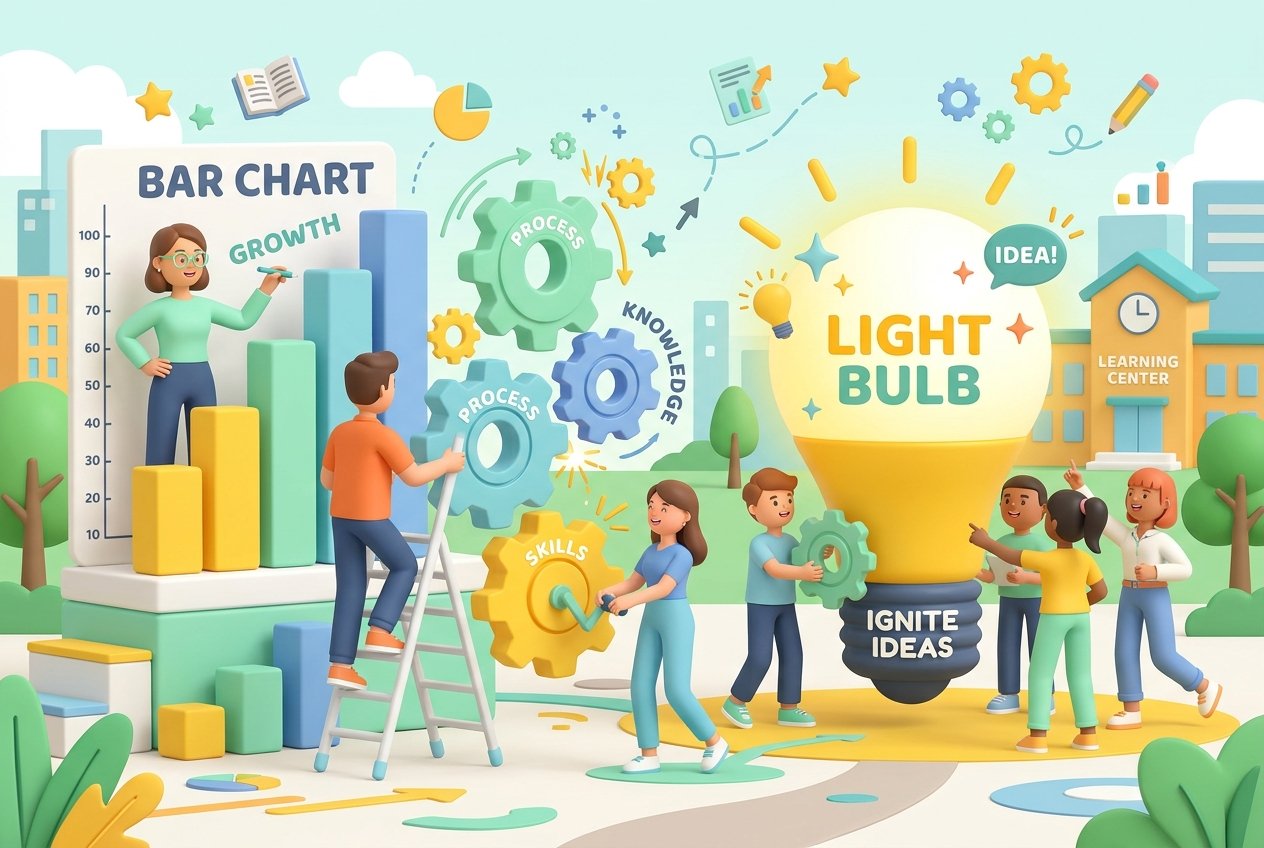
Explainer videos — short animated pieces designed to clarify a product, service, or concept — are one of the most commercially reliable motion graphics categories, because nearly every company launching a product or service eventually needs one. But they demand a different skillset than purely aesthetic motion work: explainer videos succeed or fail based on clarity first, style second.
Scriptwriting comes before animation
The most common mistake in explainer video production is jumping into visual design before the script and structure are solid. A strong explainer typically follows a clear structure — establishing a problem the viewer recognizes, introducing the product or concept as the solution, and demonstrating how it works — usually within 60-90 seconds, since attention drops sharply beyond that. Motion designers who can contribute meaningfully to script and storyboard development (not just execute someone else's script) are significantly more valuable to agencies and in-house teams than those who only handle the animation stage.
Visualizing the invisible
Explainer videos are frequently commissioned specifically because a product or service is hard to show through live-action video — software interfaces, abstract processes, data flows, or conceptual ideas. This is where motion graphics has a genuine advantage over filmed content: animation can visualize a subscription model, an algorithm, or an internal company process in ways a camera simply cannot capture. Strong explainer video designers develop a specific skill for turning abstract or technical concepts into simple, intuitive visual metaphors.
Common styles
Explainer videos span several established visual approaches: flat 2D character animation (friendly, approachable, common for consumer apps), icon and data-driven motion graphics (common for B2B and SaaS products explaining a process or workflow), and whiteboard-style animation (illustration that appears to be drawn in real time, often used for educational or non-profit content). Choosing the right style for a given audience and product is a strategic decision, not just an aesthetic preference.
Pacing for retention
Because explainer videos are usually watched by someone actively evaluating whether to buy or use a product, pacing needs to hold attention without sacrificing clarity — too fast and the information doesn't land, too slow and viewers drop off before the key message arrives. Testing with real viewers (or at least colleagues unfamiliar with the project) to check whether the core message lands within the first 20-30 seconds is standard practice at agencies producing this content regularly.
For students
A portfolio explainer video should demonstrate the full package — a clear structural narrative, an intuitive visual metaphor for something abstract, and clean execution — since agencies specifically evaluate whether a candidate can handle the conceptual, not just technical, side of this format.