Broadcast Design: Motion Graphics for TV and Live Events
📌 Table of Contents
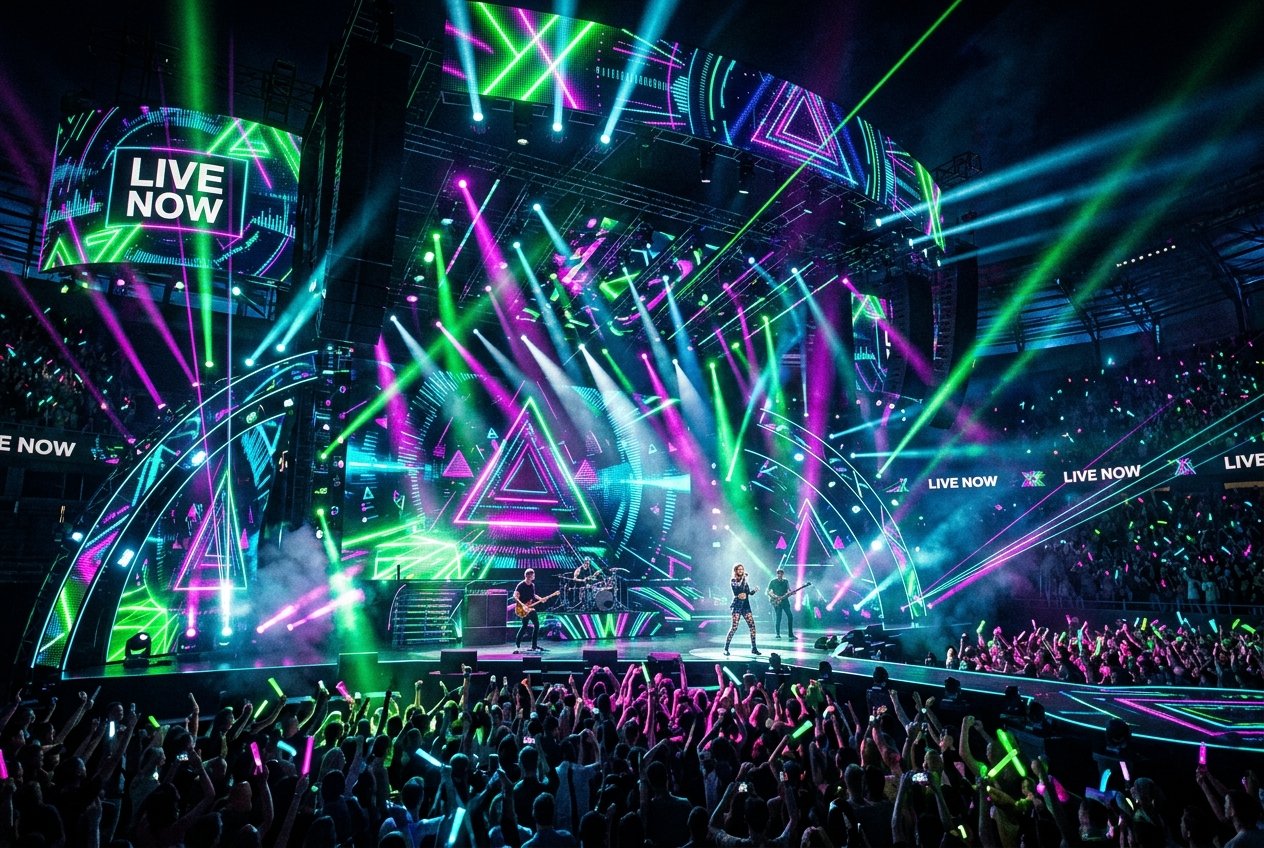
Broadcast design — the lower-thirds, channel idents, news graphics, and title sequences seen on television and live-streamed events — is a distinct motion graphics specialty with its own technical demands, separate from the more flexible world of social media or web motion design.
Why broadcast has different rules
Unlike web video, broadcast design has to work within strict technical constraints: specific frame rates, safe-area guidelines (ensuring text and graphics don't get cut off on different television displays), and often real-time rendering requirements for live shows where graphics need to update instantly (a live score, a breaking news banner) rather than being pre-rendered. This makes broadcast design as much a technical discipline as a visual one — understanding a channel's playout system and real-time graphics engine is often as important as animation skill itself.
Real-time graphics engines
Modern broadcast graphics increasingly run on real-time engines — including, increasingly, Unreal Engine — rather than pre-rendered animation, because live sports, news, and events need graphics that can update instantly based on live data feeds (scores, statistics, breaking headlines). This has opened broadcast design careers to motion designers with real-time engine experience, a notable shift from when broadcast graphics were purely an After Effects specialty.
Brand consistency at scale
A television channel's visual identity — its idents, lower-third templates, transition stingers — needs to work consistently across potentially thousands of hours of programming and dozens of different shows, which requires designers to build flexible, template-based systems rather than one-off animations. This systems-thinking approach (building a template that other editors or automated systems can populate with new content) is a genuinely different skill from creating a single polished animation, and it's specifically what broadcast studios hire for.
Where the work is
Beyond traditional television, broadcast-style design skills now apply directly to live-streamed esports, corporate live events, and news-style YouTube channels — all of which need the same real-time, template-driven graphics systems that television has used for decades, just delivered over different platforms.
What students should build
A broadcast design portfolio should demonstrate template thinking, not just single finished pieces — showing how one animated system (a lower-third package, for example) can flex across different content while maintaining consistent branding. Familiarity with real-time graphics tools, even at a basic level, increasingly differentiates candidates for broadcast and live-event motion design roles from purely pre-rendered motion designers.
A growing space in India
India's expanding sports broadcasting, news, and live-streamed events market — alongside a fast-growing esports and gaming broadcast scene — has created real demand for broadcast-trained motion designers domestically, not just internationally. Students who build both traditional After Effects broadcast skills and basic familiarity with real-time engines are well positioned for this specific, steadily growing segment of the media industry.