The Evolution of Visual Effects: From Practical to Photoreal AI-Assisted
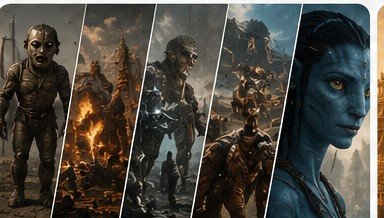
Visual effects have transformed dramatically across just a few decades — understanding this evolution helps put today's AI-assisted tools in proper context, as the latest step in a long history of technological change, not an isolated disruption.
The practical effects era. Early filmmaking relied entirely on physical techniques — miniatures, matte paintings, in-camera tricks, and practical creature effects. These techniques demanded extraordinary craftsmanship and remain influential, with many modern productions still blending practical elements with digital work for realism.
The digital compositing revolution. The shift to digital compositing and early CG in the 1990s fundamentally changed what was possible — creatures, environments, and effects previously impossible to achieve practically became achievable, opening entirely new genres of filmmaking.
The photoreal CG era. Advances in rendering, simulation, and digital character work through the 2000s and 2010s pushed VFX toward true photorealism — digital doubles, fully CG characters, and seamless environment extensions became standard rather than exceptional.
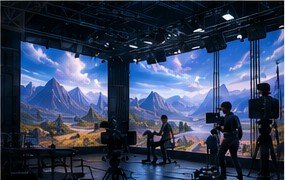
Real-time rendering and virtual production. The most recent major shift — covered in our virtual production piece — brought game-engine real-time rendering into live-action filmmaking, compressing timelines and changing how VFX-heavy scenes are shot in the first place.
The AI-assisted era (now). Today's shift involves AI-accelerated rotoscoping, denoising, and generative asset creation — genuinely speeding up specific pipeline stages, much as digital compositing sped up practical techniques decades ago.
The pattern worth noticing. Each of these shifts changed how VFX work gets done without eliminating the need for skilled artists — it consistently raised the ceiling on what's achievable while shifting where human judgment is most needed in the pipeline.
What this means for the next generation of VFX artists. Understanding this history builds realistic expectations: AI is the current chapter in an ongoing pattern of tool evolution, not a fundamentally different kind of disruption than compositing or CG were in their time.
Nuevopixels' VFX program teaches both the technical fundamentals underlying this entire history and the current AI-assisted tools reshaping today's pipelines, giving students context for where the field has been and where it's heading.