Environment Artist Roadmap: From Beginner to Job-Ready
Environment art is one of the most in-demand specializations in game development — every game needs worlds to explore, and building them well takes a genuinely broad skill set. Here's a realistic roadmap.
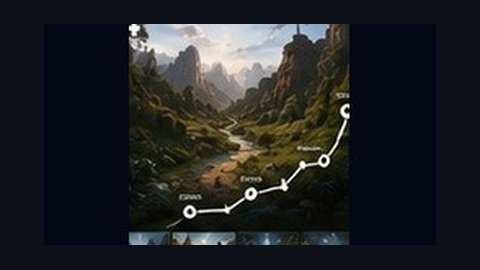
**Stage 1: Fundamentals (Months 1–4).** Master core 3D modeling in Blender or Maya, understand real-world scale and proportion, and build a solid grasp of lighting and composition principles from photography and art fundamentals — environment art is as much about mood as geometry.
**Stage 2: Texturing and materials (Months 3–6, overlapping).** Learn PBR texturing workflows in Substance Painter/Designer, understand how materials read differently under different lighting, and build a habit of studying real-world reference obsessively — the best environment artists are constant observers of real textures, weathering, and light.
**Stage 3: Engine integration (Months 5–8).** Move into Unreal Engine or Unity, learning how to build levels using both custom assets and modular kits, set up lighting within the engine, and understand performance budgets — a beautiful environment that tanks the frame rate isn't shippable.
**Stage 4: Composition and storytelling (Months 6–10).** This is where strong environment artists separate from technically competent ones — learning to guide a player's eye, tell environmental stories without dialogue (a abandoned camp tells a story through what's left behind), and build atmosphere through lighting and detail placement.
**Stage 5: Portfolio and specialization (Months 8–12).** Build 2–3 strong, polished environment pieces rather than many mediocre ones. Consider specializing further — stylized vs. realistic, exterior vs. interior, or a specific genre aesthetic (sci-fi, fantasy, horror) that showcases a distinctive voice.
**What studios actually look for.** A portfolio demonstrating strong composition and lighting instinct matters more than raw asset count. Studios can teach engine-specific workflows; they can't easily teach an eye for atmosphere and storytelling through space.
Nuevopixels' Environment Art specialization follows this exact progression, with project-based milestones ensuring students build a genuinely portfolio-ready body of work by graduation, not just scattered exercises.
---